Importing Used Excavators into the Middle East (UAE & Saudi Arabia): Regulations Explained
The Middle East is currently the epicenter of global infrastructure development. From Dubai’s relentless skyline expansion to Saudi Arabia’s ambitious Vision 2030 giga-projects like NEOM, the demand for heavy earthmoving equipment has reached a historic peak in 2026. For B2B importers and regional contractors, the strategic decision to import excavator UAE or into the Saudi market is the primary method for scaling fleets while maintaining high operational ROI. However, navigating the customs duties, electronic conformity platforms (like SABER), and strict age restrictions for used equipment requires professional technical insight. This guide provides a detailed breakdown of the regulatory landscape for the UAE and Saudi Arabia, ensuring your imported machinery reaches the job site without administrative delays.
Table of Contents
UAE: Jebel Ali Port, Duty Rate, Re-export Hub Advantage
The United Arab Emirates, specifically Dubai, serves as the premier gateway for machinery in the Middle East. When you import excavator UAE, your primary point of entry will likely be Jebel Ali Port, managed by DP World. Jebel Ali is one of the world's most efficient ports for handling Flat Rack containers and RoRo vessels. As of 2026, the standard customs duty for importing used excavators for local consumption in the UAE remains at 5% of the CIF value. However, the UAE's "Free Zone" model—such as the Jebel Ali Free Zone (Jafza)—offers a unique advantage: if you are importing a machine for re-export to other GCC countries or Africa, you can avoid the 5% duty entirely by storing it in a bonded area. For local contractors sourcing a Used Sany 215C Pro, the process is streamlined via the Dubai Trade portal. A critical technical note: the UAE is strict on "clean machinery" standards; any machine arriving with excessive soil or oil residue on the undercarriage may be flagged for mandatory biological cleaning at the port to prevent the introduction of foreign pests.
Saudi Arabia: SASO Certification & Age Restrictions on Used Equipment
Saudi Arabia has the most rigorous compliance standards in the region. To import into the Kingdom, all heavy machinery must undergo the SABER (Electronic Platform for Conformity Assessment) process. Buyers must obtain a Shipment Certificate issued by SASO-approved bodies. A mandatory rule that catches many first-time importers off guard is the Age Restriction: generally, construction equipment like excavators must not be older than 10 to 15 years from the year of manufacture. In 2026, we highly recommend sourcing 95% new certified units (2020-2025 models) like the Used Caterpillar 330D to ensure full compliance with the ZATCA (Zakat, Tax and Customs Authority) standards. Furthermore, every machine must feature a clearly legible serial plate in English. If the plate is damaged or missing, the machine will be rejected at the Port of Jeddah or Dammam. Our Shanghai export yard provides full technical support for SABER registration, including the provision of original ECM data logs to prove the machine's true operational age and history.
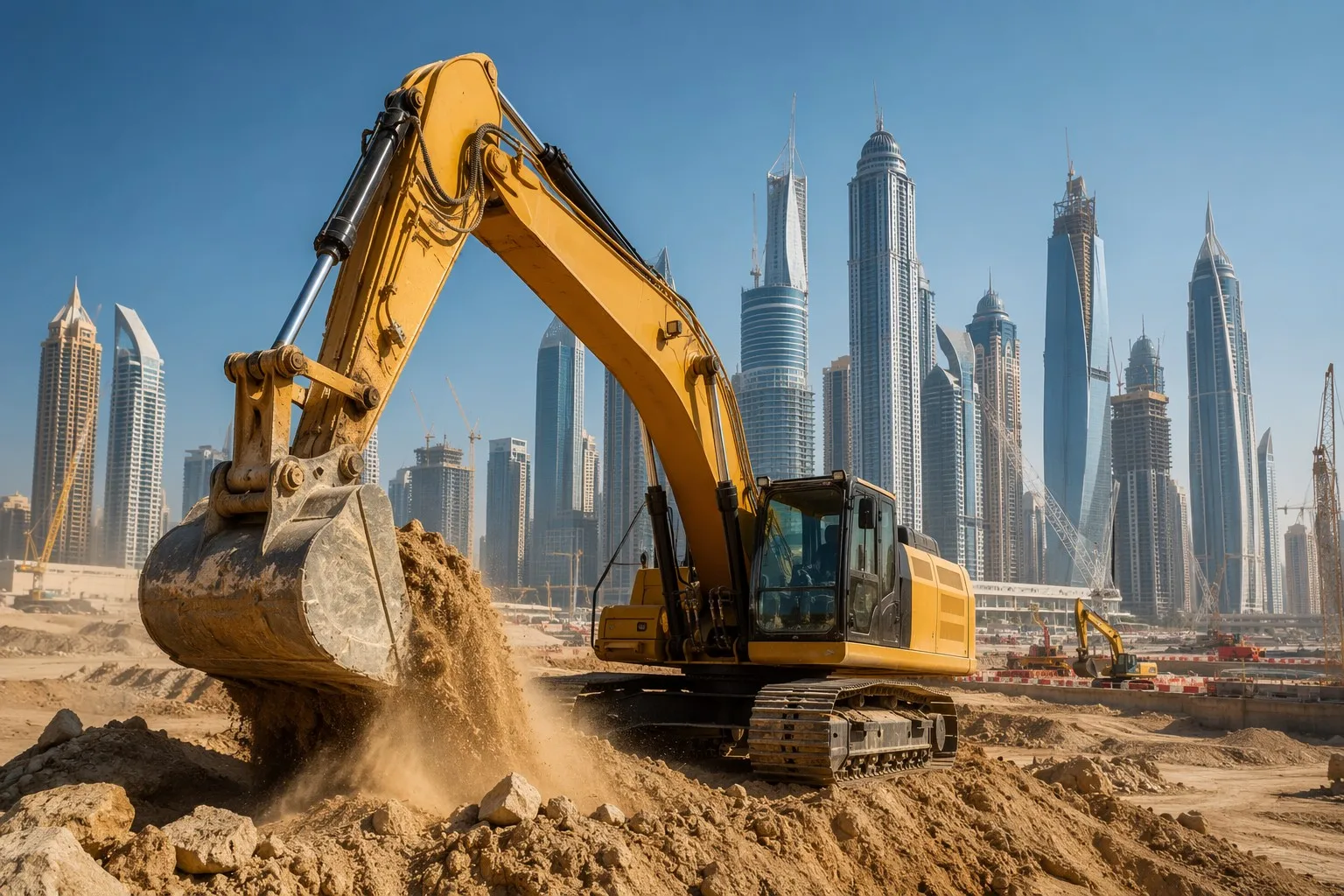
Figure 1: High-performance machinery powering the 2026 infrastructure boom across the GCC region.
UAE vs Saudi Arabia Comparison Table
| Regulatory Category | United Arab Emirates (UAE) | Saudi Arabia (KSA) |
|---|---|---|
| Import Duty | 5% of CIF Value | 5% to 15% (depending on project) |
| Age Restriction | Flexible (typically under 15 years) | Strict 10-15 Year Limit |
| Conformity Platform | Dubai Trade / e-Service | SABER (Mandatory) |
| Main Port | Jebel Ali Port (Dubai) | Jeddah Islamic Port / King Abdulaziz Port |
| Value Added Tax (VAT) | 5% | 15% |
Technical Inspection Tips for the Desert Environment
Buying machinery for the Middle East isn't the same as buying for Europe or North America. The extreme ambient temperatures (exceeding 50°C) and fine silica sand place massive stress on the cooling and air filtration systems. When sourcing for a Middle Eastern project, prioritize units equipped with "Tropical Cooling Packages" which feature high-capacity radiators and secondary fuel-water separators. Inspect the hydraulic oil color—dark oil indicates thermal degradation from overwork in high heat. For B2B importers, we recommend a 120-point audit that specifically checks the integrity of the hydraulic seals and the cleanliness of the air intake ducts. A machine that has been maintained with original filters, like a certified Used Komatsu PC210, will have a much longer service life in the desert than a low-cost, unverified unit.
Frequently Asked Questions (FAQ)
Q: Is there a strict age limit on used excavators in Saudi Arabia?
A: Yes, Saudi Customs (ZATCA) generally restricts the import of used construction equipment older than 10 to 15 years from the date of manufacture. We recommend sourcing 2020+ models to avoid port rejection.
Q: Can I import excavator UAE through a Free Zone to save costs?
A: Yes. Importing via Jafza allows you to keep the machine in a duty-free bonded area. This is ideal if you are a regional dealer distributing to other GCC countries like Oman or Kuwait.
Q: What is the mandatory SABER certificate for Saudi Arabia?
A: SABER is an electronic platform that links importers with Certification Bodies. It is required to issue a Product Conformity Certificate (PCoC) and a Shipment Conformity Certificate (SCoC) for customs clearance.
Q: How long is the maritime transit from Shanghai to Jebel Ali?
A: Direct shipping typically takes between 18 to 25 days. Including port lashing and documentation, the total door-to-port timeline is around 35 days.
Q: Do I need to modify the excavator for the Middle Eastern climate?
A: Most top-tier units from CAT and Komatsu are built with global specs, but we always verify that the unit has an optimized cooling package and heavy-duty air filtration before dispatching to the GCC.
Q: What documents are required for UAE customs clearance?
A: You need the Original Bill of Lading, Commercial Invoice, Packing List, and the Certificate of Origin (CO). For Saudi Arabia, the SABER Shipment Certificate is also mandatory.
GCC-Ready Heavy Inventory
Used Caterpillar 330D
95% New condition, original paint. Optimized for Saudi mining projects. SABER-ready.
View Technical Specs →Used Sany 215C Pro
ROI leader for 2026. Perfect for UAE road construction. CIF Jebel Ali available.
Check Availability →Power Your Middle Eastern Project Today
Get a wholesale CIF quote on certified 95% new excavators delivered to Jebel Ali, Jeddah, or Dammam.