Importing Used Excavators into Nigeria: Duties, Ports & Clearance Timeline (2026 Guide)
Nigeria’s infrastructure landscape is undergoing a massive transformation in 2026. With landmark projects like the Lagos-Calabar Coastal Highway and various state-level urban renewal programs, the demand for heavy earthmoving equipment has never been higher. For Nigerian contractors and B2B machinery dealers, the strategic decision to import excavator to Nigeria from premium global hubs like Shanghai is the most effective way to scale operations while controlling capital costs. However, the Nigerian maritime environment is governed by specific Nigeria Customs Service (NCS) regulations and complex documentation pipelines. This guide provides a verified, step-by-step roadmap to successfully navigating the duties, ports, and clearance procedures required to get your machinery on-site and working.
Table of Contents
Import Duty & Levies for Used Excavators in Nigeria
The total cost to import excavator to Nigeria is heavily influenced by the Nigeria Customs Service Common External Tariff (CET). As of 2026, the duty for construction machinery under HS Code 8429.52 remains competitively structured to support national development. It is important to note that the calculation is based on the CIF (Cost, Insurance, and Freight) value of the machine. Whether you are bringing in a Used Caterpillar 330D or a Used Sany 215C Pro, you must budget for the following mandatory payments:
| Tax / Levy Type | Rate (2026 Verified) | Applied To |
|---|---|---|
| Import Duty | 5% | CIF Value |
| VAT (Value Added Tax) | 7.5% | CIF + Duty + Other Levies |
| CISS (Supervision Scheme) | 1% | FOB Value |
| ETLS (ECOWAS Levy) | 0.5% | CIF Value |
| Port Surcharge | 7% | Import Duty Amount Only |
Main Ports of Entry: Apapa, Tin Can & Onne
When you decide to import excavator to Nigeria, your choice of port significantly impacts your internal logistics costs. Apapa Port and Tin Can Island Port in Lagos are the primary gateways for heavy machinery. These ports handle the highest volume of Flat Rack containers and RoRo vessels from China. For projects located in the South-South or South-East zones (such as Port Harcourt, Aba, or Enugu), Onne Port (Port Harcourt) is an excellent alternative that often features less congestion and faster terminal clearance for industrial machinery. If you are importing 95% new certified units, ensure your exporter utilizes major shipping lines (like Maersk or COSCO) that have dedicated terminal berths in these ports to minimize the risk of "vessel berthing delays" that are common in smaller private jetties.
Mandatory Documents: Form M, PAAR, and SONCAP
The Nigerian import process is heavily digitized. To import excavator to Nigeria, you must navigate the Trade Monitoring System (TRMS).
- Form M: This is the first document you must process through your commercial bank in Nigeria. It is the formal declaration of intention to import. Without a valid Form M, your machine cannot be cleared, and you will face massive fines.
- PAAR (Pre-Arrival Assessment Report): Once the machine is shipped and documents are uploaded, the Nigeria Customs Service Headquarters will issue a PAAR. This document dictates the official value and duty amount you must pay.
- SONCAP (Product Certificate): Excavators are regulated products under the Standards Organization of Nigeria (SON). You must obtain a SONCAP Product Certificate (PC) for the machine before the Form M is validated.
- Original Bill of Lading (B/L): Ensure the B/L specifies "Used Hydraulic Excavator" and the correct serial numbers to match your PAAR.
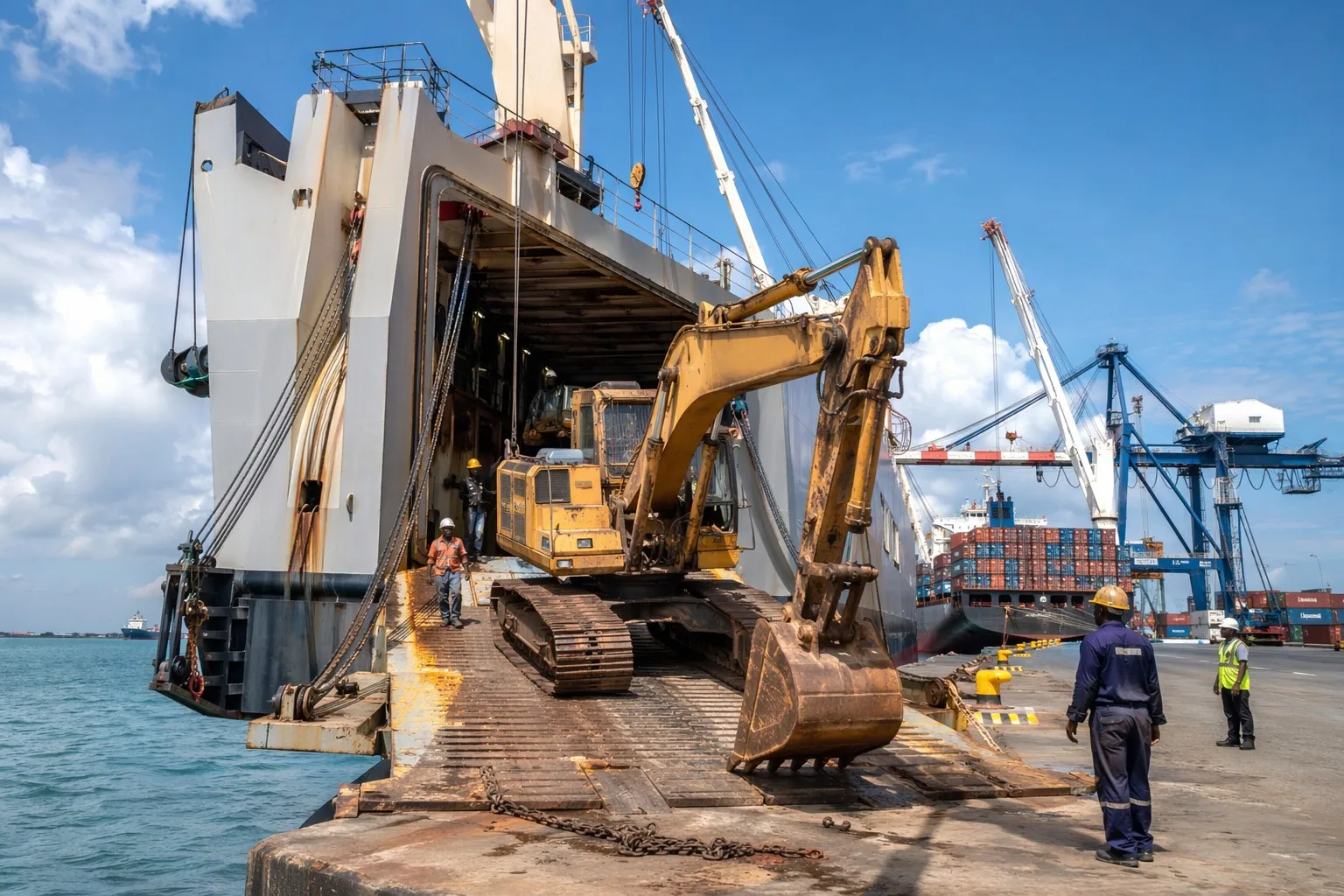
Figure 1: Safe discharge of a 20-ton excavator at Lagos Port, ensuring a high-performance asset enters the Nigerian market.
Typical Clearance Timeline: From Yard to Site
Successful procurement requires patience and planning. The total timeline to import excavator to Nigeria from our Shanghai yard is typically 55 to 75 days:
- Technical Audit & SONCAP (7-10 Days): We perform the 120-point audit and assist with the SONCAP inspection in China.
- Form M & PAAR Initiation (5 Days): The buyer processes the Form M via their Nigerian bank.
- Maritime Transit (35-45 Days): Shipping from Shanghai Port to Lagos (Apapa/Tin Can) or Onne Port.
- Customs Clearance (10-15 Working Days): This includes physical examination by NCS agents, duty payment, and terminal release.
- Internal Haulage (2-4 Days): Low-loader transport from the port to your final job site in Lagos, Abuja, or Port Harcourt.
Common Delays and How to Avoid Demurrage
Demurrage (port storage fees) in Nigeria is expensive, often exceeding $200 per day for heavy machinery. To import excavator to Nigeria without hidden costs, avoid these common traps:
- Late PAAR Issuance: Do not wait for the ship to arrive before initiating your PAAR. Process it as soon as the Bill of Lading is issued.
- Incorrect HS Code: Ensure your exporter uses HS Code 8429.52. Misclassification can lead to "vessel detention" and 100% physical examination, which delays release by weeks.
- SONCAP Mismatch: The details on your SONCAP certificate must match the machine's serial plate exactly. Even a one-digit error will result in a rejected clearance.
- Partnering with unverified agents: Always use a Licensed Customs Broker with a verified track record in the heavy machinery sector.
Frequently Asked Questions (FAQ)
Q: Is it safe to import used excavator to Nigeria from China?
A: Yes, if you source from a certified export yard that provides original ECM data and 120-point audit reports. China is currently the largest source of 95% new certified machinery for Nigeria.
Q: What is the age limit for importing excavators into Nigeria?
A: Currently, there is no strict "10-year rule" for excavators (unlike passenger vehicles). However, newer machines (2020+) are highly recommended to ensure parts availability and lower maintenance.
Q: Can I pay for my excavator in Naira?
A: International machinery trade is conducted in USD. However, you can process your Form M and duty payments in Naira via the official Central Bank of Nigeria (CBN) exchange rate.
Q: Do I need to be physically present at the port for clearance?
A: No. Your Licensed Customs Broker handles the entire physical examination and release process on your behalf.
Q: What is the best shipping method for Nigeria?
A: For 20-ton class machines, Flat Rack containers are the standard. For 30+ ton mining fleets, RoRo is safer and more protected from the Atlantic saltwater.
Q: Does HEAVY MACHINERY PRO provide local support in Nigeria?
A: We provide full documentation support and can recommend verified Nigerian customs agents to our B2B clients to ensure a seamless import experience.
Nigeria-Ready Heavy Inventory
Used Caterpillar 330D
95% New condition, original paint. The mining standard for Nigeria. Ready for export.
View Technical Specs →Used Sany 215C Pro
ROI leader for 2026. Low hours, high-pressure pump verified. Perfect for Nigerian road projects.
Check Availability →Start Your Nigerian Fleet Expansion Today
Get a wholesale CIF quote on certified 95% new excavators delivered to Apapa, Tin Can, or Onne Port.